Those who have actually been working with iOS, specifically jailbreaking, for a long time will most likely remember the now dead technique of downgrade to unsigned firmwares using SHSH blobs. These are basically files from Apple's confirmation server that inform iTunes the iOS versions that are for is still being signed and that you can install it. A program called TinyUmbrella was used in order to conserve these SHSH blobs for use to downgrade in the future.
This method of downgrading hasn't worked for several years now, but it appears to be making somewhat of a resurgence. A new method of backing up the newer SHSH blob files (SHSH2) has now been launched. A tool named Prometheus made by iOS developer tihmstar has actually been released. This tool is able to restore 64-bit iOS devices that are jailbroken, to unsigned iOS versions (offered you have SHSH2 blobs for that version).
The developer of the downgrade tool has released a second tool called tsschecker ( See our tutorial on How to save shsh blobs using tsschecker ) which permits you to save .shsh2 blob apply for your iOS device. This tool is more complicated to use than conventional techniques, but once you understand how it works it is relatively easy.
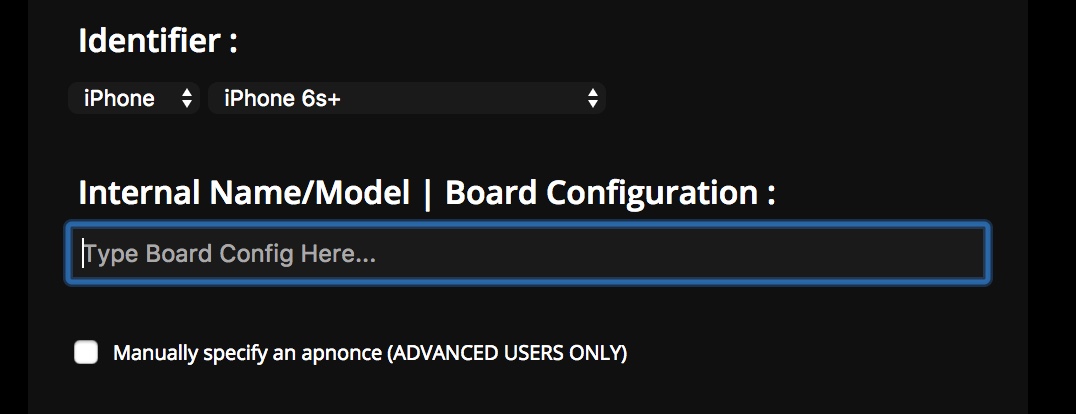
There are likewise 2 other techniques of conserving SHSH blobs which you should likewise do simply to be safe. These tools are called TicketBox, which is just available for macOS, and TSSSaver, which is a browser based tool.
Requirements & Notes:
- These tools will only backup SHSH blobs for iOS variations which are still being signed by Apple.SHSH2 blob files are unique to each device, implying you can not simply use other device's blobs with your own one.
- You do not have to be jailbroken in order to backup.shsh2 blobs.
- Download the TicketBox DMG file from here. Open the DMG file and move the TicketBox.app file anywhere you want.
- Open the TicketBox app by double clicking it.


Ensure you have your device plugged into your mac. It only needs to be plugged in the very first time you save.shsh2 blobs. Your device must appear in the left sidebar.
To backup.shsh2 blobs for all versions presently being signed by Apple simply click the Request SHSH button. This will conserve blobs for all iOS versions that Apple is signing at the time.

To make TicketBox remember your device so you do not need to plug it in every time you conserve SHSH2 blobs, simply click the Remember Device button.
To export your blobs from TicketBox, best click on the ones you wish to save and click Export. Choose a safe location to save these and do not erase them.
For more information about SHSH blobs variations , check out the following paragraph explaining the difference between each blobs.
" OTA blobs are utilized for signing OTA updates done through the settings app.The kind of blob TU pulls from the device (A7 & A8 devices) in the "bring on gadget" feature is based upon how you reached your present iOS for which you are bring blobs.
- Erase blobs are utilized for full iTunes restores.
- Update blobs are used for iTunes updates.
If you arrived through OTA update, you'll get the OTA SHSH off the device. If you brought back in iTunes, you'll get the erase SHSH from the device. If you updated through iTunes, you'll get the update SHSH from the device.
For iOS variations Apple is currently signing, TU must fetch several OTA blobs, a remove, and an update blob (for 8.2, for instance). They should all be useful for the future tool which will use replaying these SHSH blobs to restore to the same firmware (& perhaps downgrades?) which Apple isn't signing, ideally (whenever it is launched). "